
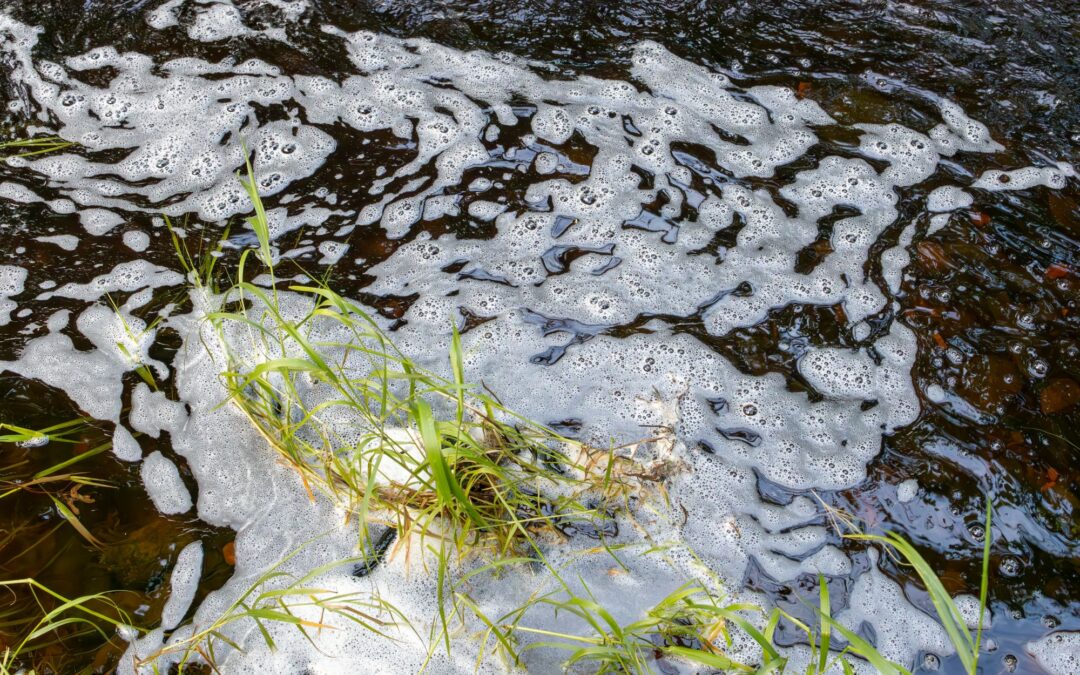
Agricultural runoff, a mix of fertilizers, pesticides, and livestock waste, is a significant threat to the United Kingdom’s drinking water quality, presenting environmental sustainability and public health challenges. These contaminants seep into waterways, causing a range of problems. The UK government’s Environmental Improvement Plan 2023 acknowledges this threat, aiming to secure safe and sustainable drinking water. Several recent incidents across the UK underscore the severity of this issue.
In 2021, Wales struggled with drinking water contamination due to excessive nitrogen and phosphorus from agricultural sources. This contamination led to eutrophication, which spurs dense plant growth and depletes oxygen, killing aquatic life. The high levels of nutrients forced water companies to invest in advanced treatment technologies, raising water purification costs and consumer bills.
England witnessed a similar situation in the River Wye and River Usk. Known for their natural beauty and biodiversity, these rivers experienced algal blooms caused by agricultural runoff. The algae disrupted aquatic ecosystems and raised safety concerns for drinking water sourced from these rivers. The Environment Agency had to enhance monitoring and treatment to meet health standards.
In 2022, Scotland’s Firth of Clyde confronted a nitrate pollution crisis, again linked to nearby agricultural activities. This incident compromised drinking water quality and threatened local marine life, highlighting the extensive impacts of agricultural runoff.
These incidents from different UK regions indicate a national issue needing urgent action. The government and environmental agencies are pushing for stricter agricultural regulations to address this. Sustainable farming methods, such as controlled fertilizer use and integrated pest management, are encouraged to lessen the runoff’s harmful effects on drinking water. The impact of agricultural runoff on UK drinking water requires a joint effort from farmers, policymakers, environmentalists, and the public. This approach aims to protect public health, the environment, and the sustainability of the UK’s drinking water resources for future generations.