
EarthTalk
From the Editors of E – The Environmental Magazine
Dear EarthTalk: What are some ways that fashion is getting more sustainable? – H.M., Via email
When we think of the main sources of carbon (CO2), three main things come to mind: industry, transportation, electricity. But what many people miss is that a major contributor to global CO2 emissions is on their very body: clothes. According to the Ellen MacArthur Foundation, fashion accounts for 10 percent of global CO2 emissions. While clothing remains an essential part of daily life, a growing number of innovations and initiatives are helping make the fashion industry more sustainable.
Sustainability in fashion starts from the source by implementing sustainable practices during textile production. In regular textile production, hazardous chemicals like polyfluoroalkyl substances (PFAs) are used extensively—chemicals that can bioaccumulate in the environment and contaminate water and soil. To combat this, researchers like Professor Julia Eastoe at Bristol’s School of Chemistry have developed sustainable alternatives, replacing fluorine groups with those containing only carbon and hydrogen while still maintaining its original stain-resistance and oil-repellence qualities.
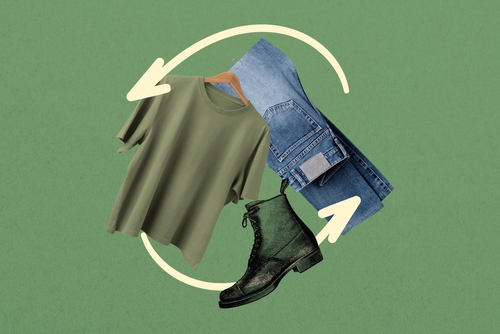
Another step for sustainability within the fashion sector is redefining the idea of a “circular economy.” At the frontlines of this movement include companies like FabScrap, which diverts textile waste from landfills by reusing and recycling fabric scraps collected from partnered clothing brands. These collected scraps are then repurposed into products like insulation and carpet padding, giving “waste” fabric a second life.
Companies aren’t alone championing a more sustainable, circular economy. As Accenture finds, 83 percent of U.S. shoppers reported increased sustainable shopping behaviors in the last 12 months, including buying from secondhand sellers like Thredup and Poshmark. Also, with clothing rental companies like Girl Meets Dress, customers can rent garments for one-time, special occasions instead of purchasing items to only gather dust in the closet. Moreover, calls to mandate microplastic filters in new washing machines are increasingly championed by organizations like A Plastic Planet and Planet Care.
Together, these innovations redefine what sustainability means in fashion, from chemicals used in textile processes to large-scale adoptions of sustainable shopping habits. Achieving total sustainability is far from over. As Elisa Tonda, Chief of the Resources and Markets Branch of the United Nations Environmental Programme, states, “We need everyone pulling together if we’re going to make the systemic change necessary to transform the fashion industry into a force for environmental good.”
CONTACTS: Five ways to reduce waste in the fashion industry, unep.org/news-and-stories/story/five-ways-reduce-waste-fashion-industry; Nonprofit cuts the climate impact of fashion, one scrap at a time, yaleclimateconnections.org/2026/01/nonprofit-cuts-the-climate-impact-of-fashion-one-scrap-at-a-time/;
EarthTalk® is produced by Roddy Scheer & Doug Moss for the 501(c)3 nonprofit EarthTalk. See more at https://emagazine.com. To donate, visit https://earthtalk.org. Send questions to: question@earthtalk.org